Income Tracker Log Book: Simple Way to Track Your Earnings
Money comes from many places. A side project here, a freelance invoice there, maybe a small business sale or a creative commission. When income flows from multiple directions, keeping a clear picture of what you actually earn becomes surprisingly tricky. The Income Tracker Log Book offers a straightforward solution: a dedicated space to record every source, amount, and date without relying on apps, spreadsheets, or complicated software. Whether you are a freelancer juggling clients or a hobbyist turning a passion into profit, this log book brings clarity to your finances in a format that anyone can use from day one.
What Makes the Income Tracker Log Book Different
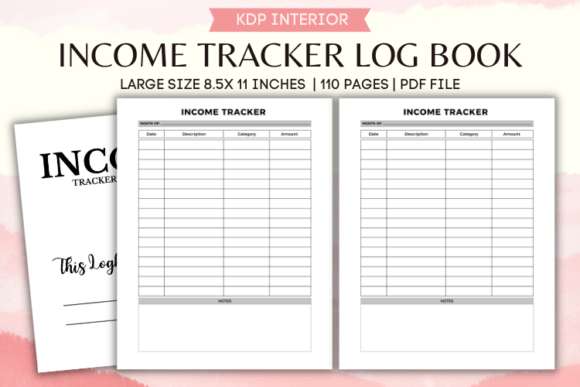
At its core, this is a 110-page book designed for one specific job: tracking income. Each page gives you room to note down the source of your earnings, the amount received, and the date it came in. With space for over 100 entries, you can cover months of work in a single volume. The large 8.5x11 inch size means you are not squinting at tiny lines or struggling to fit numbers into cramped boxes. Writing feels natural, reading your entries later is easy, and the whole experience stays low-tech and dependable.
The downloadable PDF format adds a layer of flexibility that printed books cannot match. You can upload it directly to Amazon KDP for publishing, print copies at home as you need them, or keep a digital version on your device for quick reference. This makes the Income Tracker Log Book equally useful whether you want a single personal copy or plan to share the tool with others.
Why You Might Want to Start Using an Income Log
Most people do not realize how scattered their income records really are until tax season arrives or they try to set a realistic budget. If you work as a freelancer, run a small online shop, take on consulting gigs, or earn money from creative work like writing or design, you likely have payments arriving through different platforms at different times. Remembering every transaction without a system is nearly impossible.
The Income Tracker Log Book helps you solve that problem before it becomes stressful. By writing down each payment as it happens, you build a reliable record that answers questions like:
- How much did I earn from my biggest client this month?
- Which income source has been the most consistent lately?
- Are there gaps in my earnings that I should pay attention to?
- What was my total income for the past quarter?
Having these answers ready means you can make better decisions about your time, your rates, and your next steps. You stop guessing and start knowing.
Freelancers and Independent Professionals
If you invoice clients for projects or hourly work, your income probably arrives on varying schedules. One client pays weekly, another nets thirty days, and a third sends payments only after milestones are met. Recording each payment in the log book gives you a chronological overview that no bank statement alone can provide. You can see which clients pay consistently, spot late payments, and track your monthly totals without opening multiple apps.
Small Business Owners and Entrepreneurs
Running a business means money flows in from product sales, service fees, subscriptions, or partnerships. The log book helps you separate personal income from business revenue by dedicating entries to specific sources. Over time, this habit makes bookkeeping easier and gives you a clearer sense of which parts of your business are growing.
Creators, Bloggers, and Marketers
Content creators often earn from affiliate links, sponsored posts, digital product sales, and platform payouts. These payments are small and frequent, making them easy to overlook. By logging each one, you can calculate your actual earnings per platform and decide where to focus your energy. The log book also helps you prepare for taxes by keeping all your income records in one place.
Hobbyists Turning Passion into Profit
Selling handmade items, offering lessons, or licensing your photography can generate income that feels separate from your main job. Still, it counts. The Income Tracker Log Book gives you a simple way to treat that income seriously without needing a full accounting system. You can track what your hobby earns and decide whether to scale up or keep things small.
Educators and Part-Time Workers
Teaching workshops, tutoring students, or taking on seasonal work adds extra income streams that can be hard to monitor. A few entries each week in the log book keep you aware of how much you are actually earning from these efforts. This awareness helps you decide whether to take on more work or protect your free time.
Important Considerations Before You Start
Like any tool, the Income Tracker Log Book works best when you use it consistently. Here are a few things to keep in mind as you decide whether it fits your needs.
Think about your income volume. With space for over 100 entries, the log book is ideal for people who earn money regularly but not in enormous volumes. If you process hundreds of transactions each month, you may need multiple copies or a supplementary system. For most freelancers, small business owners, and creators, however, one book covers several months of activity.
Consider how you organize your finances. Some people prefer digital tracking because it offers automatic calculations and search functions. The log book takes a different approach. It gives you a physical or printable record that you control completely. There is no learning curve, no software updates, and no risk of data loss from a crashed device. If you value simplicity and reliability over automation, this format works well.
Decide how much detail you want to capture. The log book focuses on source, amount, and date. If you also need to track expenses, tax deductions, or project hours, you might pair the log book with a separate system. Many users find that starting with income tracking alone builds a helpful habit, and they expand their record-keeping later.
Think about your long-term needs. Because the book is available as a downloadable PDF, you can print additional copies whenever you need them. This makes it easy to continue the same tracking method year after year without switching formats. You can also upload the PDF to Amazon KDP and sell it as your own product, which adds value if you are a content creator or educator looking for a practical resource to offer your audience.
How the Log Book Fits into Your Routine
Building a new habit works best when you attach it to something you already do. You might keep the log book next to your workspace and add an entry whenever you receive a payment notification. Or you could set aside five minutes at the end of each week to record everything you earned. The large 8.5x11 inch size means the book stands out on your desk, serving as a visual reminder to stay consistent.
For those who prefer digital access, the PDF format lets you view the pages on a tablet or phone. You can fill entries electronically or print single pages as needed. This flexibility means the Income Tracker Log Book adapts to your workflow rather than forcing you into a specific routine.
Who Will Benefit Most from This Tool
The Income Tracker Log Book is designed for adults who want a clear, uncomplicated way to monitor their earnings. Beginners who have never tracked income before will appreciate the straightforward layout and the lack of technical requirements. Experienced professionals will value the reliability of a paper-based backup or a printable system that does not depend on internet access or battery life.
Small business owners, freelancers, creators, marketers, educators, and anyone earning money from multiple sources will find immediate practical value. The log book also works well for people who are just starting to take their side income seriously and want a simple foundation before moving to more complex tools.
Getting the Most Out of Your Income Tracker Log Book
To make the log book genuinely useful, try these practical habits:
- Record income as soon as it arrives. Waiting even a few days makes it easy to forget details or skip entries entirely. Quick recording keeps your records accurate and complete.
- Use consistent categories for sources. If you earn from multiple clients or platforms, use the same name each time. This makes it easier to see totals for each source when you review your entries later.
- Review your entries monthly. Set aside ten minutes at the end of each month to flip through your entries. Look for patterns, note any surprises, and use what you learn to plan ahead.
- Keep the log book accessible. Store it where you naturally handle money matters. A desk drawer, a shelf near your computer, or a dedicated folder on your device works well.
These small habits turn a simple log book into a reliable financial companion. Over time, the entries build into a record that shows not just what you earned, but how your income evolves across weeks, months, and seasons.
The Income Tracker Log Book offers a practical, no-fuss way to keep track of your income with minimal effort. Whether you use it personally or share it as a resource, the combination of large format, ample entry space, and PDF flexibility makes it a tool that fits naturally into real life. Start where you are, record what you earn, and build a clearer picture of your financial landscape one entry at a time.