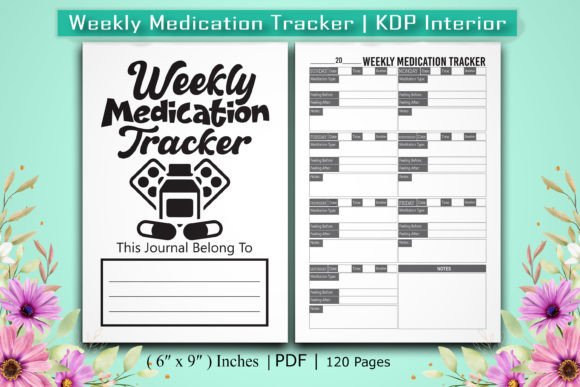
Weekly Medication Tracker KDP Interior
A reliable medication routine can transform health outcomes, yet keeping track of daily doses remains a challenge for many. The Weekly Medication Tracker KDP Interior offers a practical solution for anyone looking to publish a low-content book that combines simplicity with real utility. Designed as a print-ready interior for a 6″ x 9″ inch, 120-page book with full bleed, this template is fully editable and compatible with Amazon KDP. Whether you are a creator, designer, or small business owner, understanding how to use this interior effectively can open up new opportunities for useful products.
Why This Interior Works for KDP Publishers
Publishing low-content books on Amazon KDP continues to grow, but standing out requires more than just a cover. The Weekly Medication Tracker KDP Interior provides a structured, clean layout that meets a genuine need. With 120 pages, high-resolution PDF files, and a bleed-ready format, it removes much of the technical guesswork. The “Feathers” variant adds a subtle decorative element that appeals to users who prefer a soft, approachable aesthetic. For creators, the editable nature of the file means you can customize fonts, colors, or add your own branding before uploading.
What makes this interior particularly useful is its focus on weekly tracking rather than monthly. Weekly spreads allow for more detail per day, including dosage times, medication names, and notes. This design choice reduces clutter and makes the tracker more practical for daily use. It also fits the 120-page format perfectly, giving users a full year of tracking with a few extra pages for reference or emergency contacts.
Creative Ways to Use the Weekly Medication Tracker Interior
While the immediate application is a straightforward medication log, the template can be adapted into several creative products. Here are practical ideas for different audiences:
- Personal health journal: Combine the medication tracker with morning and evening checkboxes for mood, pain levels, or side effects. Use the notes section to document changes observed over weeks.
- Caregiver logbook: Family members looking after aging parents or chronically ill relatives can use the interior with larger fonts and simplified fields. Adding a page for pharmacy contacts at the start makes it a complete care package.
- Clinical practice tool: Nurses or healthcare administrators can print customized versions for patients. A small clinic might use it as a handout for new medication regimens, reinforcing compliance through clear daily checklists.
- Bundled product offering: Pair the tracker with a weekly planner or symptom diary on KDP. Because the interior follows a consistent 6×9 size, you can create a series and cross-promote them in your listings.
The editable PDF format also allows you to add a brief user guide or medication safety tips on the first page, immediately increasing the perceived value of the book.
Adapting the Template for Different Audiences
Not all medication tracking needs are the same. A younger adult managing a short-term treatment plan will use the interior differently than someone with multiple chronic conditions. The flexibility of the Weekly Medication Tracker KDP Interior makes it easy to target specific groups:
- Seniors and those with visual impairments: Enlarge the day headers and medicine fields. Use high-contrast colors and bold lines. The 6×9 format already provides enough room for clear typography without feeling cramped.
- Parents managing children’s medication: Add a row for “child’s name” or “weight” at the top of each week. Color-code columns for morning, afternoon, and night doses to simplify administration.
- Fitness and wellness enthusiasts: Some people track supplements, vitamins, and nootropics alongside prescribed medication. You can repurpose the tracker field to note dosage timing and any food restrictions (take with or without meals).
- Digital-first users: Convert the interior into a fillable PDF. Many buyers prefer to use PDF annotation apps on tablets. The clean layout reduces mistakes and syncs easily with cloud storage.
By understanding the end user’s context, you can tweak the template before publishing. Small adjustments to headers, spacing, and additional call-out sections (e.g., “refill reminder” or “doctor’s note”) make the book feel custom-made.
Keeping the Design Organized and User-Friendly
When you work with the Weekly Medication Tracker KDP Interior, maintaining clarity should be the top priority. A cluttered layout defeats the purpose of a tracker. The original design likely includes rows for medication names, times, and checkboxes. If you edit the file, preserve these elements but consider the following:
- Use consistent spacing between rows. Align text left for medication names and center for times to improve scanability.
- Include a simple key or legend on the first page explaining any icons or abbreviations.
- Leave enough white space around checkboxes to accommodate handwriting or small stickers.
- Opt for a sans-serif font like Arial or Helvetica for headers, and a legible serif for notes if you prefer a classic look.
- Test the print preview at 100% zoom to ensure text remains readable when printed.
Because the template includes bleed, make sure any background colors or graphics extend past the trim line. The 120-page count gives you room to add a contents page or index if you organize the book by month. For weekly spread consistency, use repeating backgrounds that don’t interfere with the written notes.
Making Your KDP Listing Compelling
Even the best interior will not sell without a strong listing. When you use the Weekly Medication Tracker KDP Interior to create your book, emphasize these points in the product description:
- 120 pages give a full year of weekly tracking with extra pages for reference.
- 6″ x 9″ size is portable and fits in most bags or bedside drawers.
- Print-ready with bleed means no trimming needed after printing.
- High-resolution PDF files ensure sharp text and clean line breaks.
- Editable template allows for personalization (if you offer customization).
Include a sample image showing the interior spread. A before-and-after example (one blank, one filled in with sample medication names) helps buyers visualize how they will use the book. Add a bullet list of features formatted in plain text — Amazon’s A+ Content can be used to enhance the design, but keep the core information accessible in the main description.
Keywords like “medication log book”, “daily pill tracker”, and “prescription organizer” are natural fits. Avoid overstuffing; instead, weave them into sentences that describe benefits. For instance: “Use this medication log book to record daily doses and avoid missed pills — each weekly spread offers space for up to six medications.”
Practical Tips for Creators Using This Interior
Your success with the Weekly Medication Tracker KDP Interior depends on how carefully you handle the publishing process. Here are recommendations based on common pitfalls and best practices:
- Download the PDF and open it in a compatible editor (Adobe Acrobat, Canva Pro, or similar) to verify that all layers are unlocked. Test editing the sample text to confirm fonts are embedded or available.
- Upload the interior file to KDP’s previewer. Scroll through several pages to check that bleeds and margins are correct. The 6×9 trim requires a 0.125-inch bleed on all sides.
- Create a paperback cover that matches the interior’s theme. The calm feathers design can be echoed in the cover background or with similar line art.
- If you offer a paperback version, consider releasing a matching Kindle version as a low-cost or free digital supplement. Many readers appreciate having a digital copy for quick printing.
- Use the interior as a base for a series. Once you have one tracker, you can expand into monthly, yearly, or combined health planners with minimal extra effort.
For those who sell on other platforms (Etsy, Gumroad, or your own website), the same interior works well as a digital download. Set clear terms for personal and commercial use. Many buyers prefer a ready-to-print PDF that they can customize themselves. Offering a separate editable version alongside the print-ready one adds value.
The Weekly Medication Tracker KDP Interior is more than a template — it is a foundation for building organized health tools that people rely on daily. By adapting it thoughtfully for different audiences, keeping the design crisp, and presenting it honestly in your listings, you can create a product that feels both professional and compassionate. Whether you are launching your first KDP book or expanding an existing low-content catalog, this interior offers a practical path to a useful, saleable item that serves a genuine need.